Technical Standards and Operational Safety during Marine Group Outings
Group excursions on passenger vessels depend on rigorous technical maintenance, certified crew readiness, and adherence to regional maritime standards.
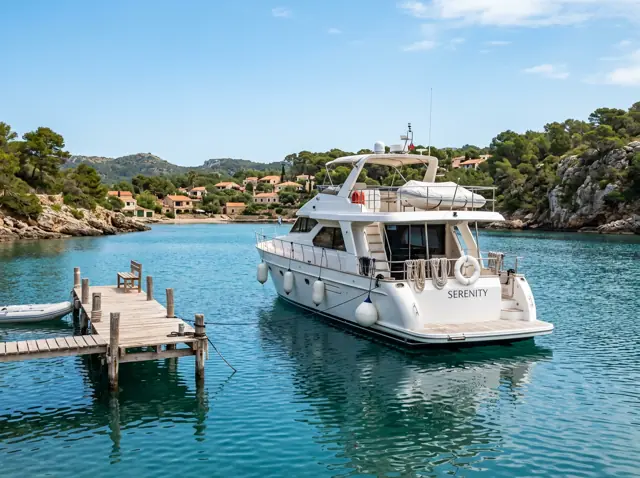
Ensuring Mechanical Reliability for Large Group Excursions
Group trips organized by boating clubs, corporate teams, or extended families place unique demands on marine equipment. Increased passenger weight alters vessel displacement, center of gravity, and fuel consumption rates. Maintaining mechanical reliability requires systematic pre-departure inspections of propulsion systems, bilge pumps, and onboard electrical grids. Marine technicians verify that steering assemblies and cooling circuits function properly under maximum design loads, minimizing the risk of mechanical failure while underway.
Beyond engine health, group travel demands comprehensive checks of safety and survival gear. Certified technicians inspect life rafts, personal flotation devices, fire suppression systems, and emergency communication apparatus. Ensuring that emergency power supplies and navigation lights comply with international standards guarantees that vessels carrying multiple passengers remain secure during changing weather conditions or extended coastal passages.
Fleet Readiness and Maintenance Protocols for Shared Voyages
When planning group excursions on coastal waters, organizers often ask how charter companies ensure vessel safety and compliance before departure. Maritime authorities in Dubai require thorough safety equipment checks, engine servicing, and passenger limit enforcement for all shared vessels. Operators such as Qasba Yachting align their fleet management with local maritime standards, as presented on www.rent-boat-dubai.com. A short hourly charter demands verified safety gear for all guests, whereas operating a jet ski requires separate training and designated zones along the Arabian Gulf.
Rigorous maintenance schedules help prevent emergency shutdowns during passenger trips. Routine checks on propulsion systems, electrical wiring, and fluid levels reduce operational risks. Adhering to technical checklists ensures that every vessel in a fleet maintains stable performance, supporting safe group navigation across busy coastal waterways.
Applied Marine Training in Everyday Passenger Operations
Professional technical training directly impacts the safety and efficiency of passenger craft operations. Technicians trained under standardized marine curricula understand how preventative maintenance prevents operational disruptions during high-use periods. From verifying battery charge capacities to inspecting hull integrity, technical expertise ensures that vessels remain seaworthy throughout demanding seasonal schedules.
Understanding maritime standards allows crew members and technicians to collaborate effectively during pre-trip preparation. When technical standards are consistently maintained, group outings remain safe, compliant, and structurally sound across all operational environments.